Australia recently passed legislation banning social media access for children under 16. While “protecting children” sounds a good thing for us (the non-pedophiles), this creates serious privacy concerns that affect everyone.

Mandatory ID Verification?
Social media sites like Youtube, Bluesky, Facebook must implement age verification systems. Some methods being considered involve providing:
- Government ID / Passport information
- Credit card information
- Social security numbers
- Biometric information
Now, most platforms will outsource this implementation to 3rd party services. While these 3rd party services have established processes in place and more security on their data, your personal data is now shared with 2 entities and they can do whatever they want with it like sell it to the highest bidder, or other shady deals.

Privacy Impact
Once you submit your personal information for age verification to access these sites:
- Your data becomes permanent on the web. A breach on the social media website or 3rd party verification service will expose all your personal data to bad actors.
- Shared databases of personal information can be shared across multiple businesses and governments. No privacy for anyone.
- You are creating a permanent digital profile. Every website will know exactly who you are, that you are accessing their services, what you post, what your likes are, etc. This is kept forever.
The Main Goal: Control
This isn’t really about protecting kids (I mean, parents should take this responsibility).
The goal is to establish a mass surveillance infrastructure and control of the population.
- This creates a precedent and normalization for mandatory ID verification for accessing most of Internet services.
- Creates a centralized database of all citizens across the globe (not just Australia).
- Allows governments to monitor and control the free speech of their citizens. If you are dissatisfied with the government or a government official you can be targeted and eliminated in the future.
- Other governments will use this kind of legislation to “protect the kids” to implement these monitoring tools because the saw that it worked in Australia.
- More censorship and control.
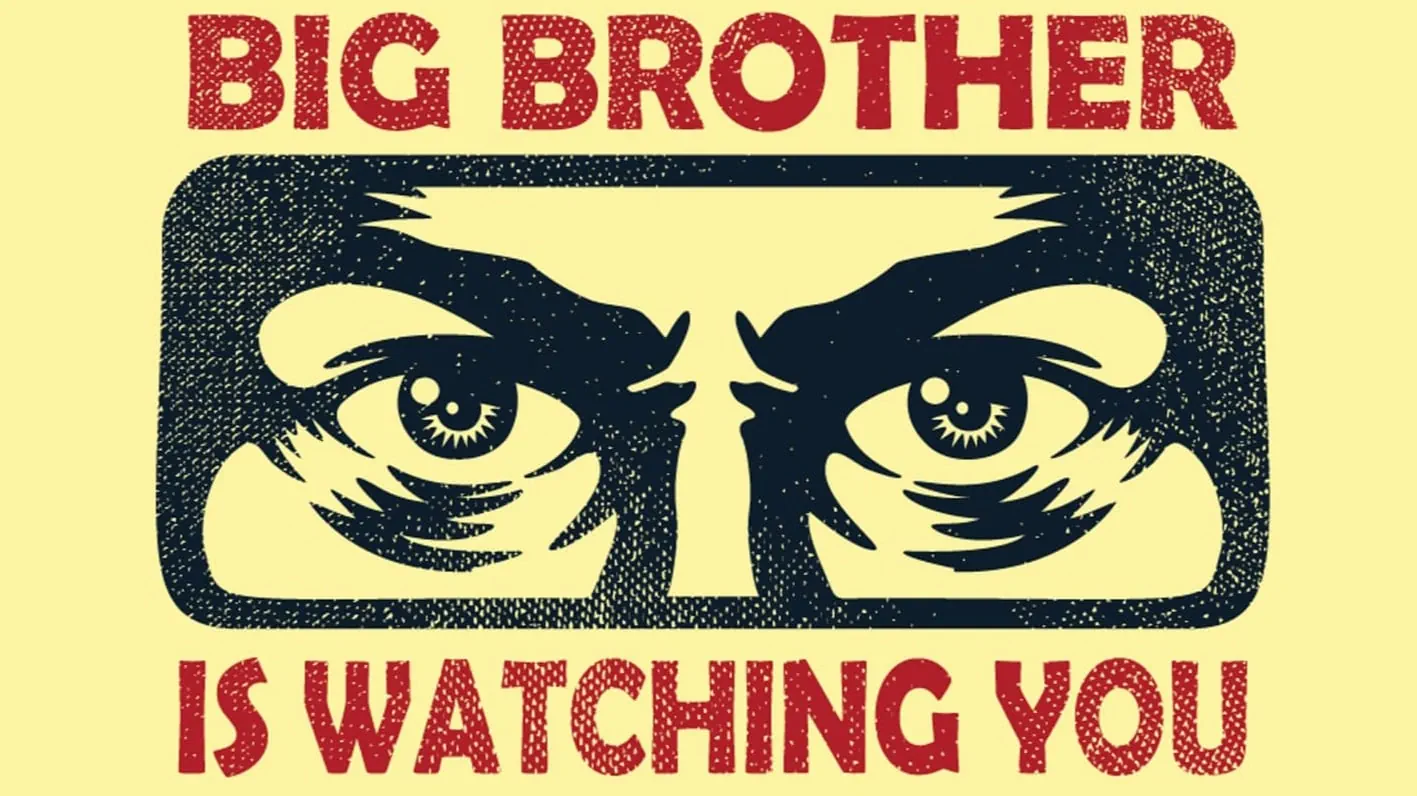
What to Do?
Why live in this dystopia?
Reactionary Actions
If legislators in your country propose similar laws, make your opposition known. Vote against these fools. These officials are either:
- Naively unaware of the surveillance infrastructure they’re building (which means they are not prepared to govern).
- Aware and perfectly fine with restricting citizen freedoms to gain or consolidate power.
- Pushing policies written by lobbyists who benefit from data collection.
Proactive Actions
This kind of legislation will be normalized and will spread to all countries. Here are some things to do now:
- Check your Digital Presence: Search for yourself. Check what information appears in domain registrations, old social media posts, and public databases and delete most of what you can (businesses that comply with GDPR have this option).
- Clean up Social Media: Delete old posts that reveal personal information. Tighten privacy settings. Do you need that 10-year-old Facebook account at all?
- Strip Metadata from Photos: Before posting images online, use tools to remove EXIF data (like
exiftoolon Linux). While most major social media platforms strip EXIF data on upload, not all sites do. - Be Mindful of What you Share: Before posting, ask: “What could someone learn about me from this?” Location tags, purchase photos, vacation updates, they all create data points someone can exploit.
- Use Separate Identities. You can keep different personas for different activities. Your professional presence doesn’t need to connect to your hobby forums. Use different usernames, emails (email aliases are great!), profile pictures, etc.
- Assume Everything is Permanent: Even if you delete something, assume someone archived it. The Internet Archive, Google, and random scrapers capture more than you think.
- Use a VPN: Always use a VPN, this is a must. Choose a paid VPN service like Proton or Mullvad. Avoid free VPNs as they are free because they spy on your traffic.
- Use Encryption: Always use encrypted communication tools and become used to them.
- Self-Hosting: Consider self-hosting your services. While this requires some technical expertise, is not impossible to do and you can learn a lot.

The Endgame
This path leads to a sanitized internet where every action is tied to your verified identity. Dissent and asking incorrect questions become dangerous. Privacy becomes impossible. Free speech becomes impossible. Freedom of association becomes impossible. Freedom of movement becomes impossible. Freedom of thought becomes impossible…
Most kids are really unlikable huh?